Georgia for First-Timers: An Honest UK Guide
Visas, flights, money and what to actually expect
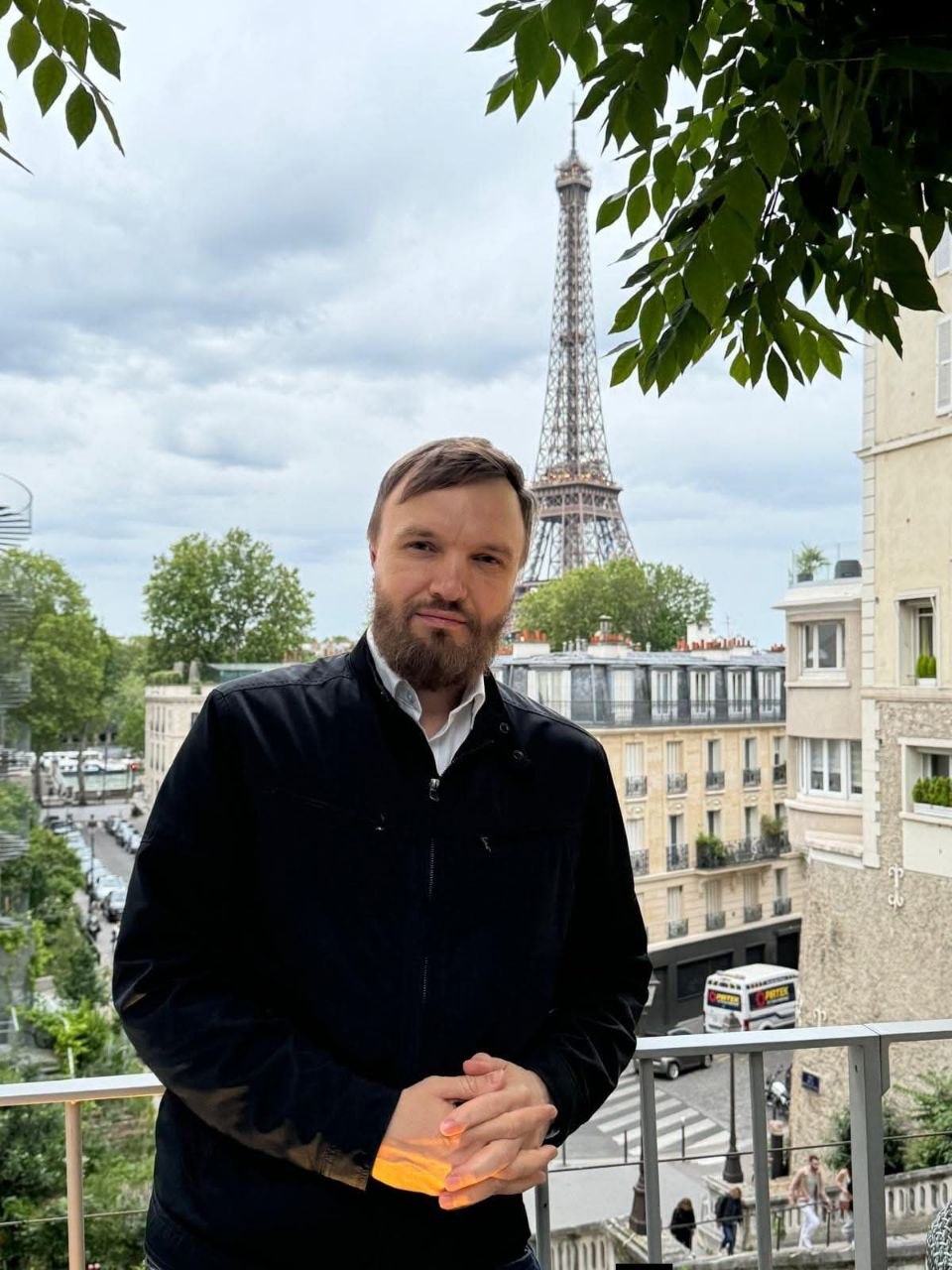 By Jurijs Ovcinnikovs · Founder, Justvia Bespoke Travel · 6 June 2026
Georgia is one of those rare places that is genuinely easy to visit and still feels properly off the beaten path. For a first-timer from the UK, the hard part is mostly knowing what to expect.
So here is the practical, honest version: the things a British traveller actually needs to sort out before a first trip to Georgia, the country in the Caucasus (not the US state). Visas, flights, money, language, safety, and when to go. None of it is complicated, but it helps to have it in one place.
If you would rather have all of this handled for you, that is exactly what we do: our ready-made tours and tailor-made trips take care of the logistics so you can focus on the country itself.
First things firstWhere is Georgia, and what is it like?
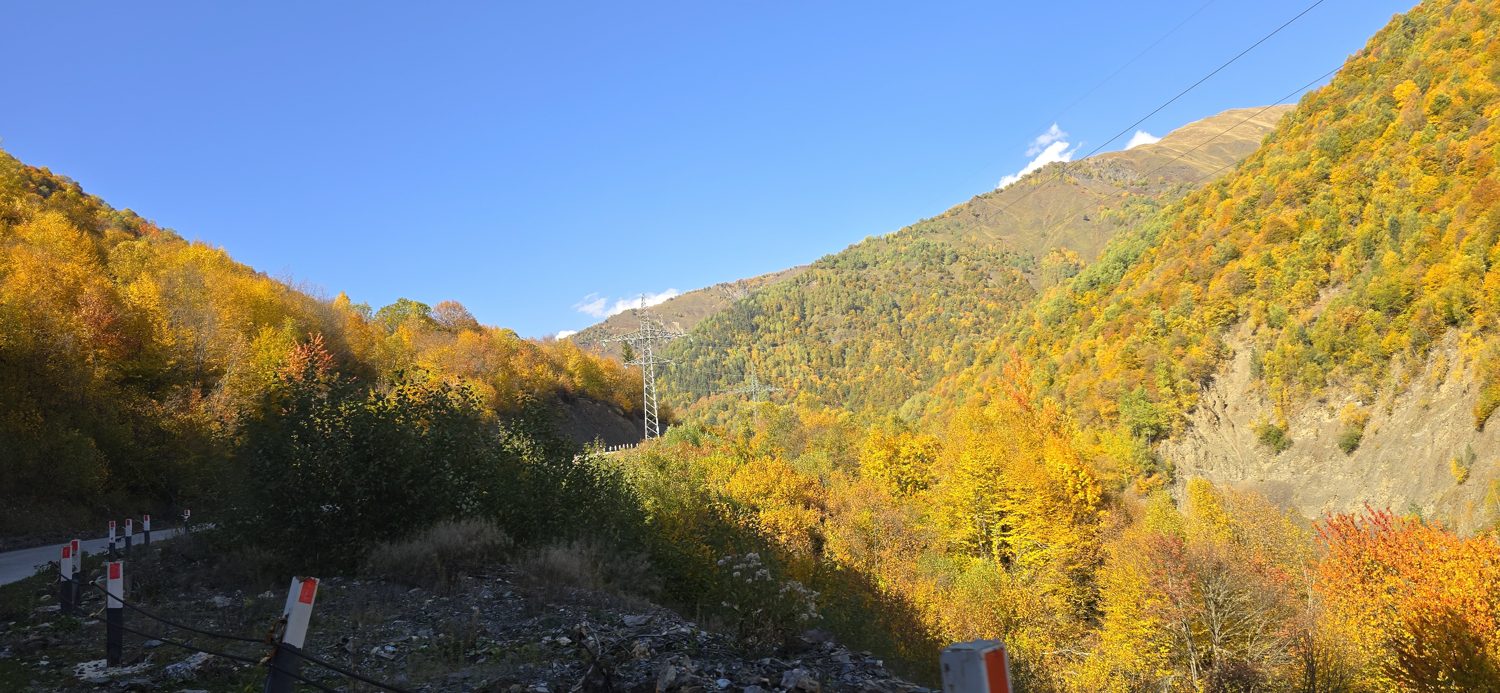
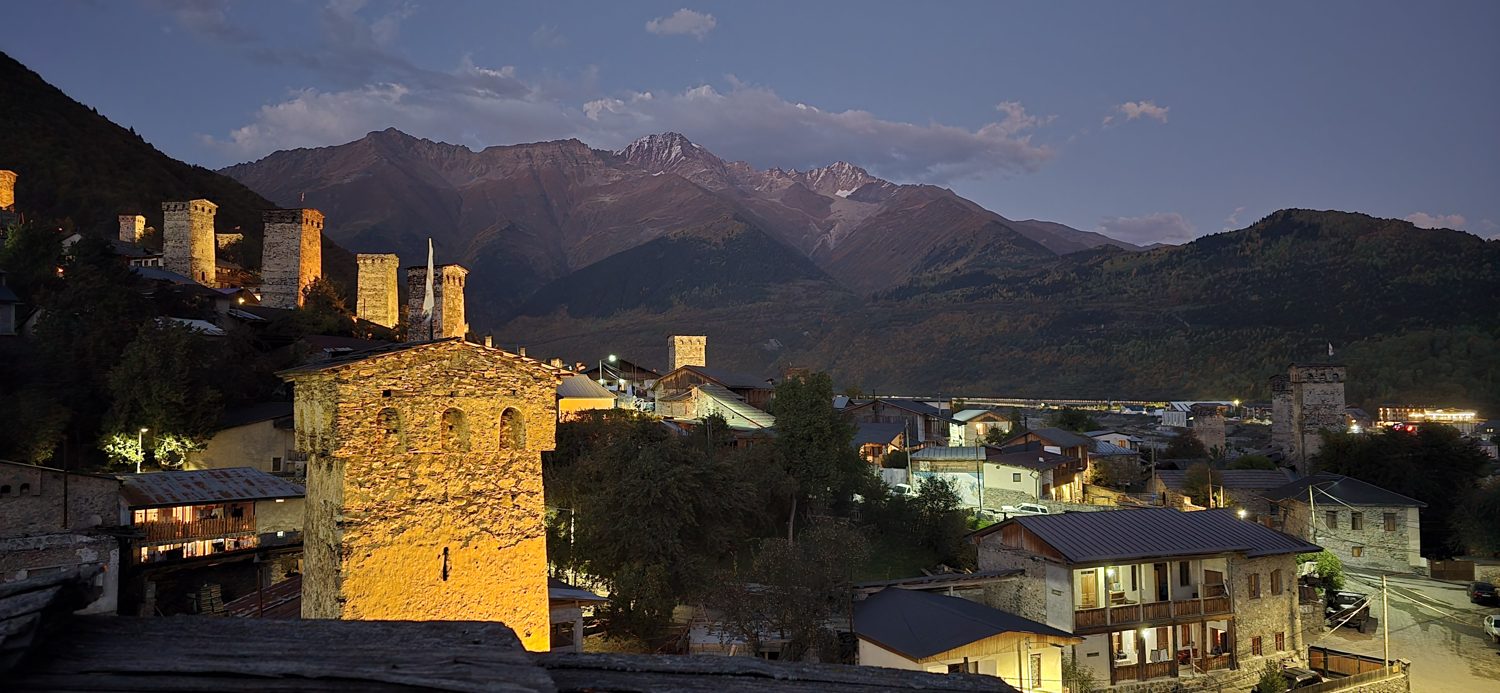
Georgia sits where Eastern Europe meets Western Asia, on the eastern shore of the Black Sea, bordered by the Greater Caucasus mountains to the north. The capital, Tbilisi, is a warm, walkable city of sulphur baths, balconied old houses and an outsized food and wine scene. Beyond it you have high mountains, ancient churches, and vineyard country that has been making wine for 8,000 years.
The first thing most visitors notice is the hospitality. Guests are treated as a gift here, and that is not a marketing line, it is built into the culture. The second thing is how uncrowded it still feels compared with the Alps or the Mediterranean.
EntryDo UK travellers need a visa for Georgia?
For most British travellers, no. Currently, holders of a full British passport can enter Georgia without a visa and stay for up to a year, which is one of the most generous policies anywhere. You simply arrive, and your passport is stamped on entry.
As with any country, rules can change, so always check the latest entry requirements before you book, and make sure your passport has plenty of validity. There are no special vaccinations required for a standard trip. We confirm the current details with every traveller before departure.
FlightsGetting to Georgia from the UK
There is no shortage of routes. From London you can reach Tbilisi, the main international airport, in around five to six hours, either direct in season or with one stop via a hub. Low-cost flights also serve Kutaisi in western Georgia, often from around four and a half hours, which is handy if you are heading straight for the mountains.
Prices are very reasonable by European standards if you book ahead, and shoulder-season fares are the best value. International flights are not included in our tour prices and are booked separately, but we are always happy to advise on the smartest routing for your dates.
MoneyCurrency, cards and how far your pound goes
The currency is the Georgian lari (GEL). Cards are widely accepted in Tbilisi and larger towns, and ATMs are easy to find, but it is worth carrying some cash for the mountains, small guesthouses, and village markets, where card machines are rarer.
Georgia is excellent value. A good meal with wine, a guesthouse bed, or a taxi across town all cost a fraction of what you would pay in Western Europe. That means a trip here tends to feel more generous than its price tag suggests, which is part of why people come back.
Day to dayLanguage, getting around, and safety
Georgian has its own beautiful, unique alphabet, and many older people also speak Russian. English is increasingly common among younger people and throughout tourism, but a few words of Georgian go a long way and are always met with warmth. On a guided trip, language is never a barrier.
Getting around independently means shared minibuses (marshrutkas), taxis, and hired drivers; mountain roads are scenic but slow, so distances take longer than the map suggests. Georgia is also a very safe country for travellers, with the normal sensible precautions you would take anywhere. For a first visit, having the driving and route-planning taken care of removes most of the friction.
Georgia first-timer essentials
- Visa (UK)
- British passport holders can currently visit visa-free for up to one year. Always check the latest entry rules before booking.
- Getting there
- London to Tbilisi in about 5 to 6 hours; low-cost flights to Kutaisi from around 4.5 hours. Flights are not included in our tour prices.
- Money
- Georgian lari (GEL). Cards work in cities; carry cash for the mountains. Excellent value versus Western Europe.
- Language
- Georgian (own alphabet), Russian widely understood, growing English in tourism.
- Best time
- May to June and September to October for mild weather; summer is hot in the lowlands.
One last word on timing, since it is the question we get most. The spring and autumn shoulder seasons are the sweet spot, and Svaneti in particular is at its best in the autumn, which we wrote about in Why Svaneti in autumn.
Plan your first Georgia trip with Justvia
We are a UK travel agency that focuses on Georgia and nothing else. Tell us your dates and pace, and we will handle the flights advice, route, guides, and guesthouses, so your first visit is the easy kind.
Good to knowFrequently asked questions
Is Georgia safe for tourists?
Yes. Georgia is considered a very safe destination, including for solo travellers, with the usual everyday precautions. Hospitality towards guests is a strong part of the culture.
Do British travellers need a visa for Georgia?
Currently no: full British passport holders can visit visa-free for up to a year. Rules can change, so check the latest entry requirements before you travel.
Is Georgia expensive?
No. Georgia is very good value compared with Western Europe. Food, wine, transport and accommodation all cost noticeably less, which makes a trip feel generous for the money.
Do people speak English in Georgia?
Increasingly, yes, especially younger people and anyone working in tourism. Georgian and Russian are widely spoken. On a guided Justvia trip, language is never an issue.
Jurijs Ovcinnikovs, founder of Justvia Bespoke Travel, a UK travel agency running small-group and bespoke journeys to Georgia. Every journey is designed and managed by Justvia, working with carefully selected local guides, drivers and operating partners.
Justvia Bespoke Travel is a UK travel agency specialising in small-group and tailor-made journeys to Georgia, in the Caucasus, for English-speaking travellers who want genuine experience over mass tourism.
Editorial strategy and digital production by MariCleo Studio.