
A Night in a Svaneti Guesthouse: What It Actually Looks Like
Half the beauty of walking in Svaneti happens after the boots come off. Here is a truthful tour of the evening, from the gate to the breakfast table, for anyone deciding whether this way of travelling is for them.
 By Jurijs Ovcinnikovs · Founder, Justvia Bespoke Travel · 30 July 2026
Photographs of Svaneti, in Georgia's high Caucasus, are always of the same things: stone towers, glaciers, a horse in a meadow. Fair enough. But ask anyone who has actually walked from Mestia towards Ushguli what they remember, and the answer is usually indoors. A wood-panelled room warming up in the evening. A table that refuses to stay half empty. Somebody's grandmother deciding, without consultation, that you have not eaten enough.
Guesthouses are not the accommodation you tolerate between walks in Svaneti. They are half the reason to come. But they are also family homes rather than hotels, and the difference catches some travellers by surprise. This is the honest tour, room by room, so nothing catches you.
ArrivalThe arrival
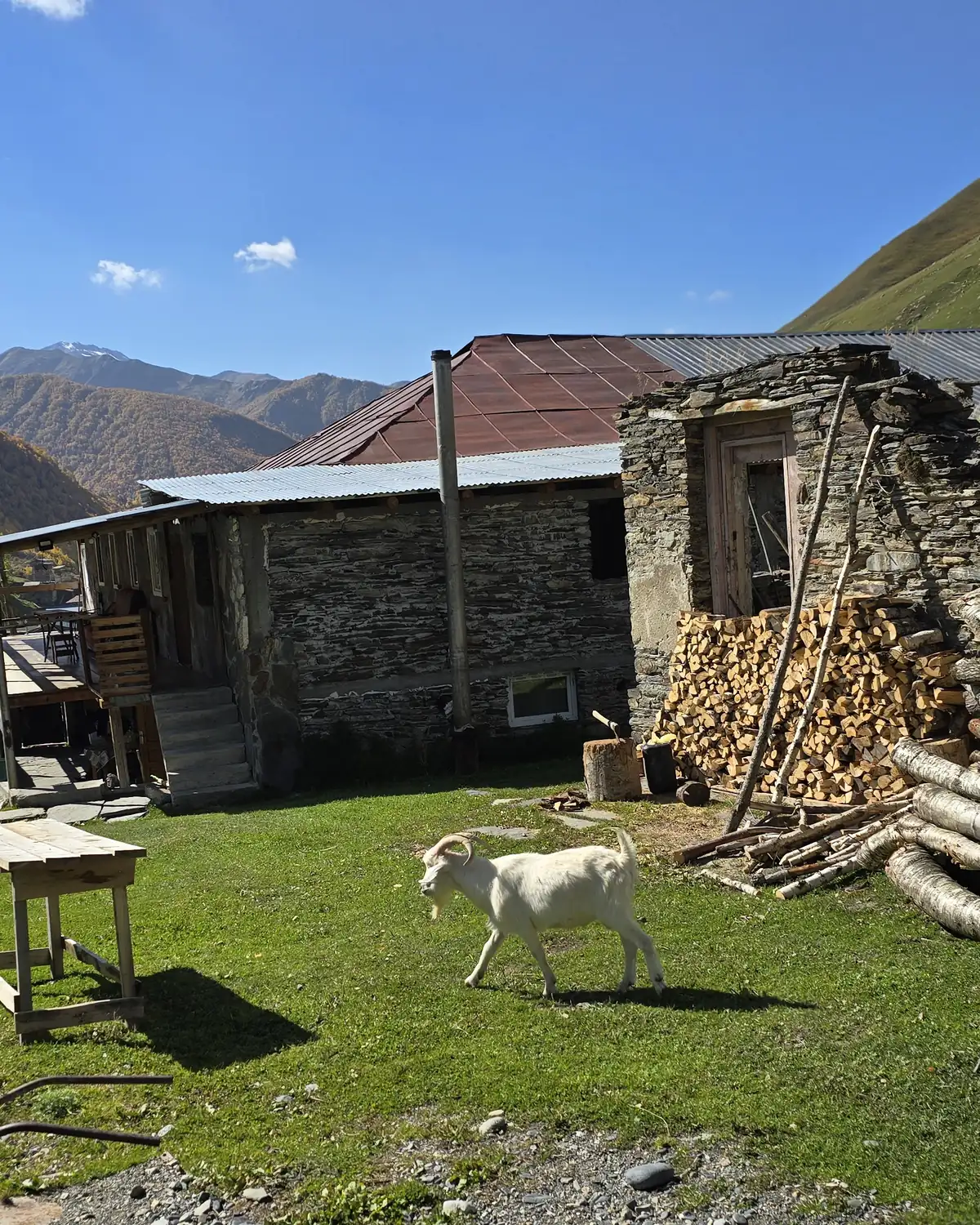
A Svan guesthouse is a family house with guest rooms, usually with the family living on one floor and guests on another, or in a newer wing built alongside. You will be met at the gate, often by whichever member of the family saw you first, and shown straight to your room. Formalities are minimal. Passports are sometimes asked for, sometimes not. Payment is discussed at the end, not the beginning, and in the villages it is cash, in lari, so carry enough before you leave Mestia, where there are cash machines. In the smaller villages there are none, and card machines are still the exception rather than the rule.
One thing worth knowing in advance: shoes come off at the door in most homes. A pair of slippers usually appears before you have finished untying your laces.
The roomThe room
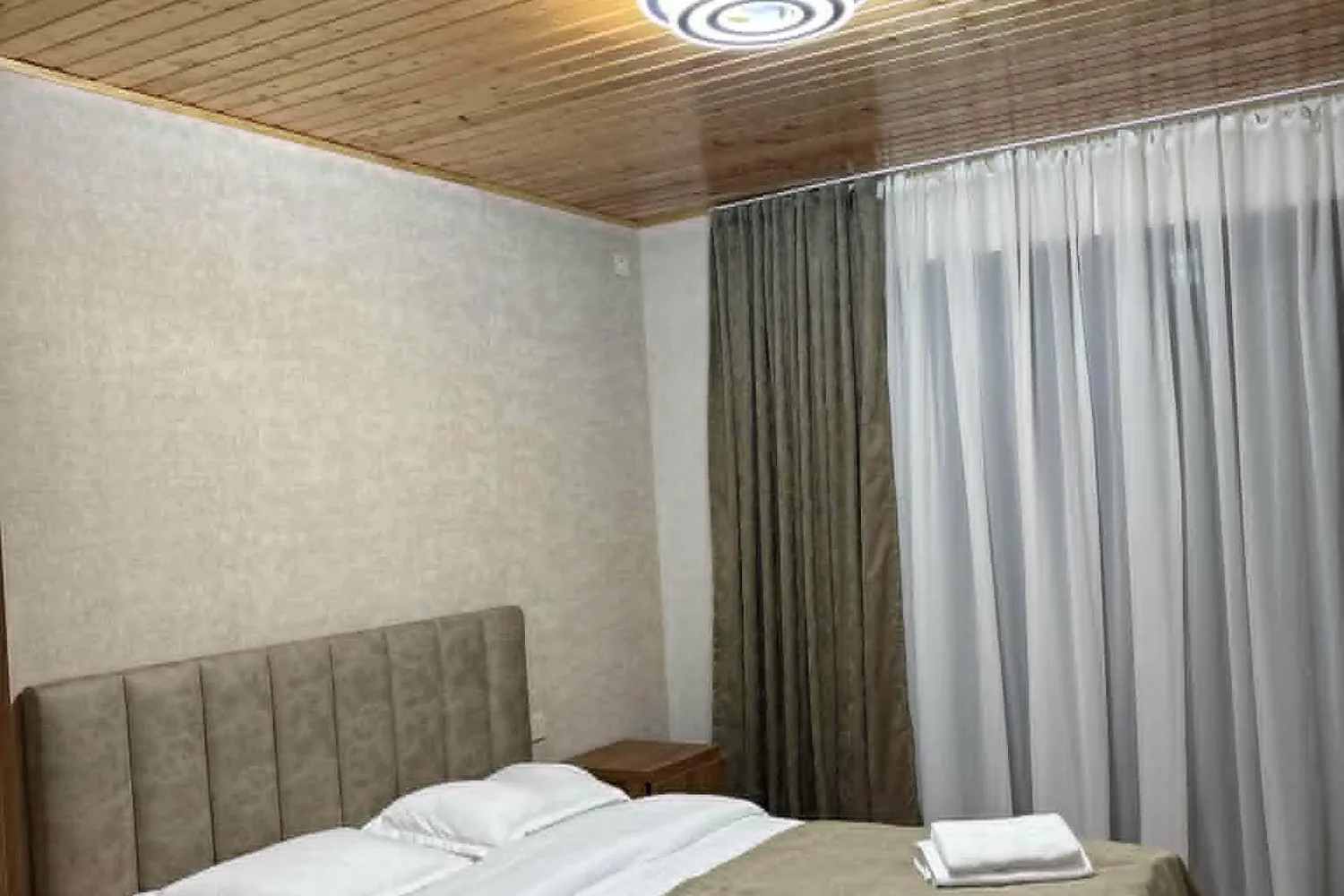
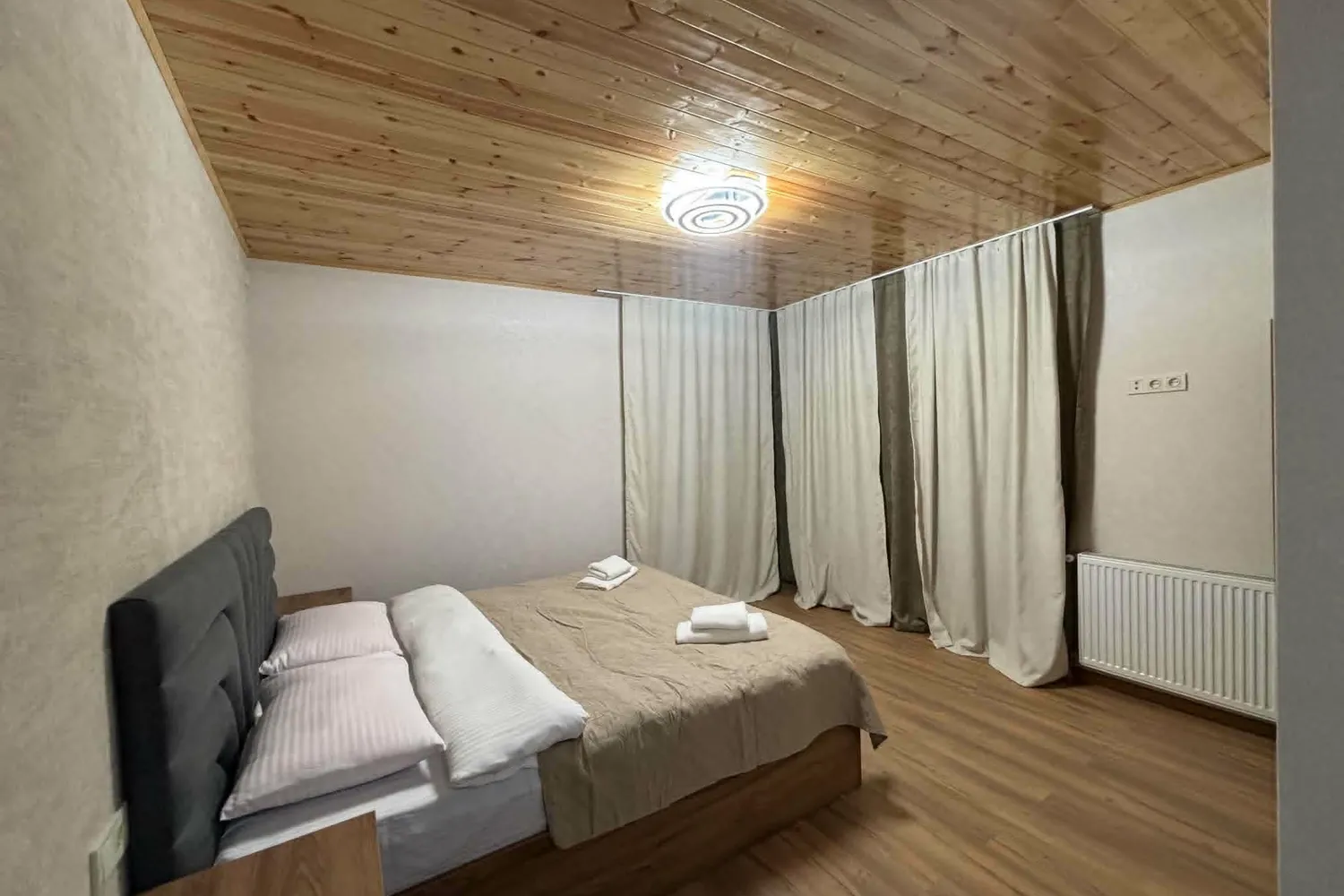
Expect a clean, simple room: beds with thick blankets, wood or painted panelling, a window that opens onto either a tower or a wall of mountains, and hooks or a chair for your kit. In Mestia, which has grown into a proper little town, many guesthouses are now closer to small hotels, with en-suite bathrooms and reliably hot showers. Out along the trekking route, in villages like Adishi, houses are simpler: bathrooms are often shared, hot water is usual but not a law of nature, and the electricity can flicker when the weather has opinions.
Warmth deserves its own sentence. Autumn nights in the high villages are properly cold, and rooms are heated by stoves or heaters that work best with the door kept shut. The blankets are serious. Cold sleepers should still pack a warm layer to sleep in, and everyone should keep the next day's clothes off the floor. Nobody has ever regretted warm socks in Svaneti.
The tableThe table
Dinner and breakfast are the standard arrangement in Svan guesthouses, cooked by the family and eaten either at a shared table with other guests or at your own. This is not a menu situation. Food arrives, usually far too much of it, and it is the same food the family eats: khachapuri from the oven, kubdari, the meat-filled bread Svaneti is proudest of, fresh cheese and tomatoes and cucumbers from the garden, soups, beans in clay pots, and tea until you surrender. Vegetarians manage well here, better than in most mountain regions of Europe, because so much of the everyday table is bread, cheese, beans and vegetables. Dietary needs and serious allergies should be discussed before booking, not raised at the table, and a translated note helps.
If a bottle without a label appears, that is the house wine or chacha, the family's own grape spirit, and it is hospitality rather than commerce. You are free to decline. Decline the third glass rather than the first if you want the refusal to land gently.
MorningThe morning
Breakfast is early if you ask for it early, and walkers should ask: porridge or eggs, bread, cheese, jam, tea and coffee, enough to walk on. If you are heading over a pass, many guesthouses can prepare a simple packed lunch if arranged in advance, sometimes at an additional cost. This is the moment to ask about the day ahead, because nobody reads the valley better than the people who farm it. On the Adishi stage, the family's view of the river that morning is worth more than any forum post, a point we cover properly in our honest guide to the Adishi river crossing.
BookingBooking ahead, or trusting the door
In Mestia, book ahead in season: it is a real town with real demand. In Ushguli, booking ahead is wise in the summer weeks. In the small villages along the traverse, walkers have historically turned up and found beds, and mostly still do, but a village like Adishi has only a handful of houses, and on a busy August evening the maths can fail. Our own view is simple: a booked bed costs you nothing in spontaneity and buys you a calm arrival. Guesthouses along the route increasingly take bookings through the usual platforms, and where they do not, a phone call from your previous host works wonders. Asking one family to ring ahead to the next is not an imposition. It is how the valley has always worked.
HospitalityThe part that does not fit in a listing
What no booking platform conveys is that you are a guest in the older sense of the word. Svaneti's hospitality is not a service standard, it is a code, and it runs deep. The practical consequences are small and pleasant: you will be looked after beyond what you paid for, your host will worry about your plans, and leaving without breakfast will cause genuine distress. The polite responses are equally small: learn two words of Georgian, madloba for thank you and gamarjoba for hello, accept at least a little of what is offered, and treat the home like a home.
For what it is worth, this is also how we build our own trips. Our guests stay in family guesthouses that Mari, who is from Svaneti, has known for years, because a good host halfway up a mountain is worth more than any star rating. If you would rather have that side arranged, from the small-group week we run to a bespoke traverse with the nights booked ahead, that is exactly the work we do.
Svaneti with the nights already arranged
Eight days walking from family guesthouses Mari has known for years, at an easy pace, with the guesthouses, listed meals and ground transfers arranged.
See the Warm Svaneti trip Plan a bespoke Svaneti tripQuestionsWhat people ask
Do Svaneti guesthouses have private bathrooms?
In Mestia, increasingly yes: many guesthouses are now small hotels in all but name, with en-suite rooms and reliable hot water. In the small villages along the Mestia to Ushguli route, shared bathrooms are still common and hot water is usual but not guaranteed. If a private bathroom matters to you, base yourself in Mestia or Ushguli and ask when booking.
Do I need to book guesthouses ahead on the Mestia to Ushguli trek?
Book ahead in Mestia and Ushguli in season. In the small villages between them, walkers often find beds on arrival, but places like Adishi have only a handful of houses, so in July and August booking ahead, or asking your previous host to phone the next village, is the calmer approach.
What food do Svan guesthouses serve?
Dinner and breakfast cooked by the family: khachapuri, kubdari, fresh cheese, garden vegetables, soups, beans and endless tea, with the house wine or chacha sometimes offered as hospitality. Vegetarians manage well. Vegans and travellers with allergies should explain clearly on arrival, ideally with a translated note.
Do guesthouses in Svaneti take cards?
Assume cash. Mestia has cash machines and some card acceptance, but in the villages along the trekking route payment is in lari, in cash, settled at the end of your stay. Take out what you need before leaving Mestia.
Are Svaneti guesthouses warm at night?
The blankets are serious and rooms are heated by stoves or heaters, but autumn nights in the high villages are properly cold. Pack a warm layer to sleep in and keep the room door shut. It is part of the charm once you are under the blankets, and less so before.
Jurijs Ovcinnikovs, founder of Justvia Bespoke Travel, a UK travel agency running small-group and bespoke journeys to Georgia. Every journey is designed and managed by Justvia, working with carefully selected local guides, drivers and operating partners. The local Svaneti context in this article was reviewed by Mari, our Svaneti-born guide.
About Justvia
Justvia is a UK travel agency specialising in bespoke and small-group journeys to Georgia and the Caucasus. Local Svaneti context for this article was reviewed by Mari, our Svaneti-born guide.
Editorial strategy and digital production by MariCleo Studio.
More from the Journal
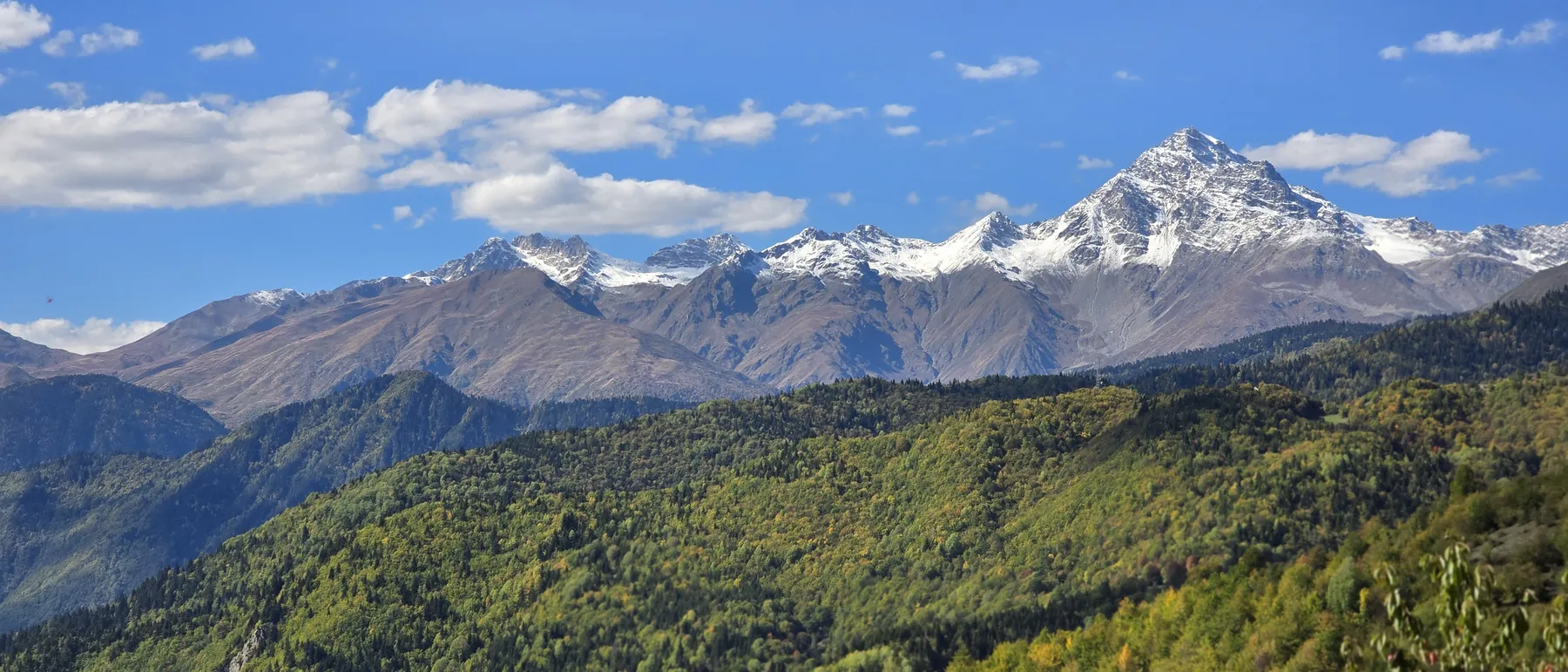
Mestia to Ushguli: The Classic Trek
What the four-day traverse actually involves, and the flexible alternative.
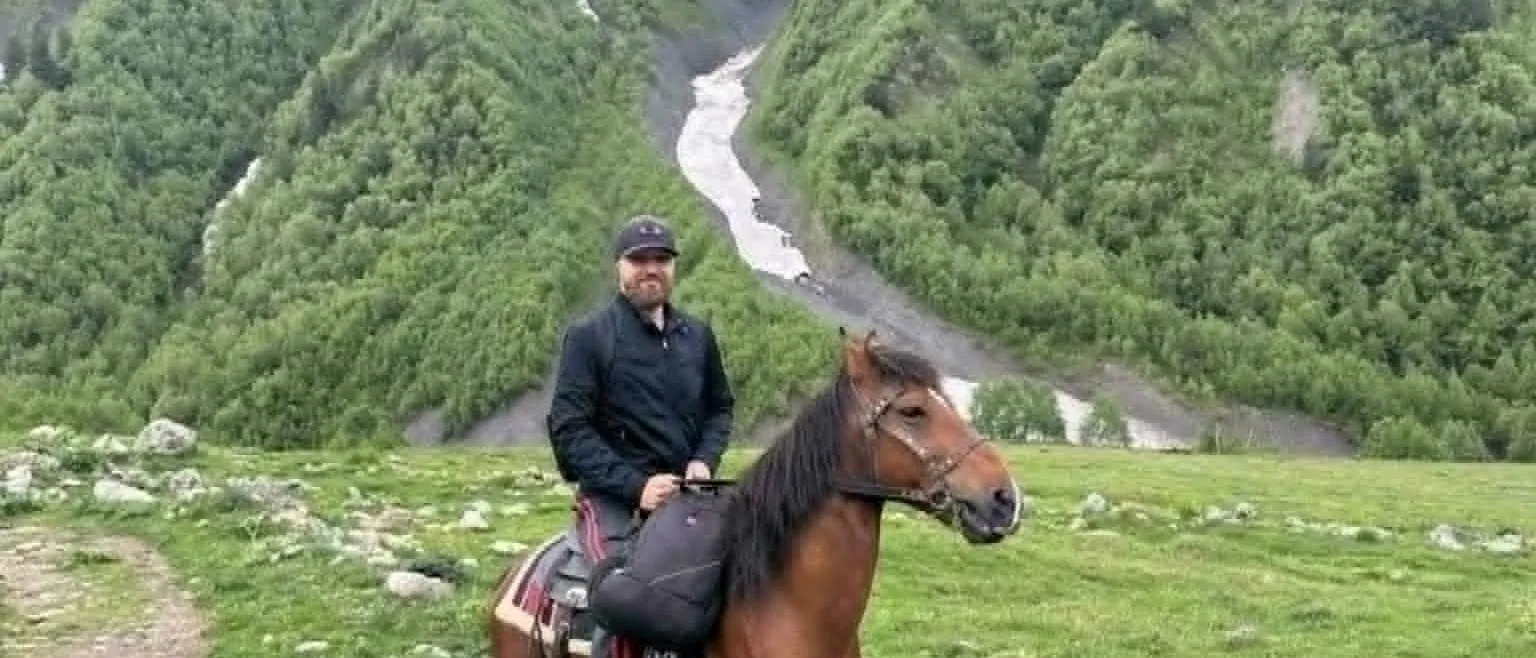
The Adishi River Crossing, Honestly
How the river changes by season and hour, and when to take the horse.
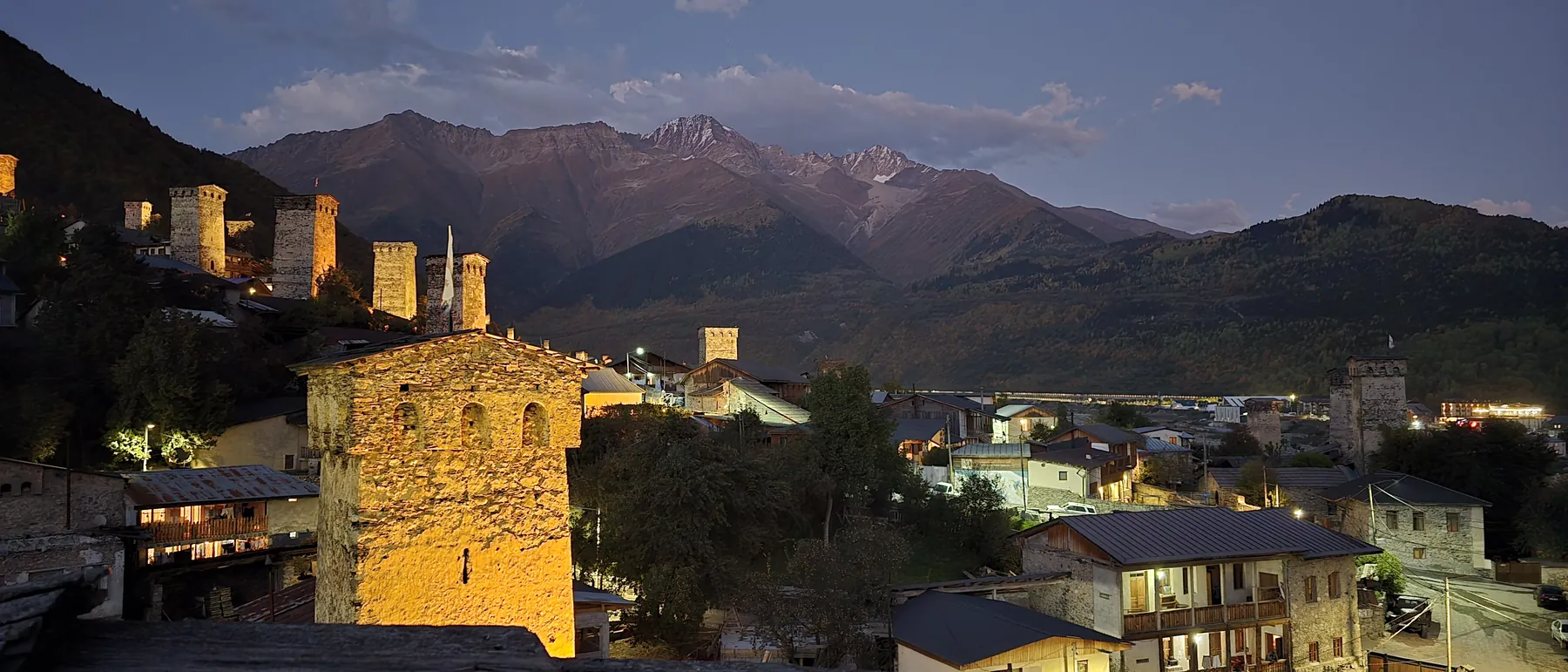
Mestia or Ushguli: Where to Base Yourself
Town with cash machines, or towers under Shkhara. How to choose.
